-
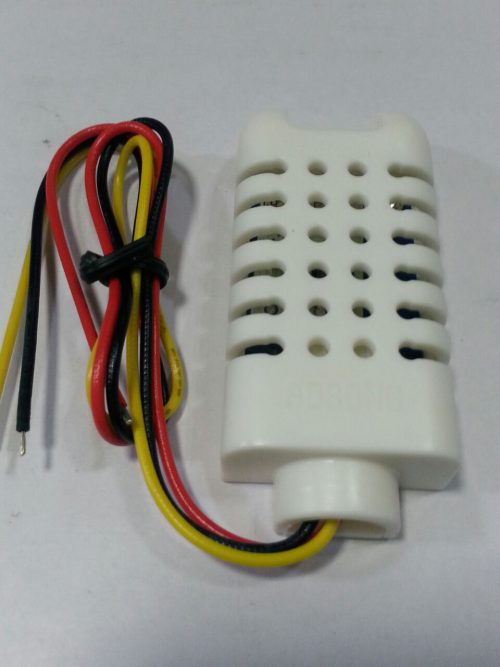 The AM2302 is a wired version of the DHT22, in a large plastic body. It is a basic, low-cost digital temperature and humidity sensor. It uses a capacitive humidity sensor and a thermistor to measure the surrounding air, and spits out a digital signal on the data pin (no analog input pins needed).
 -
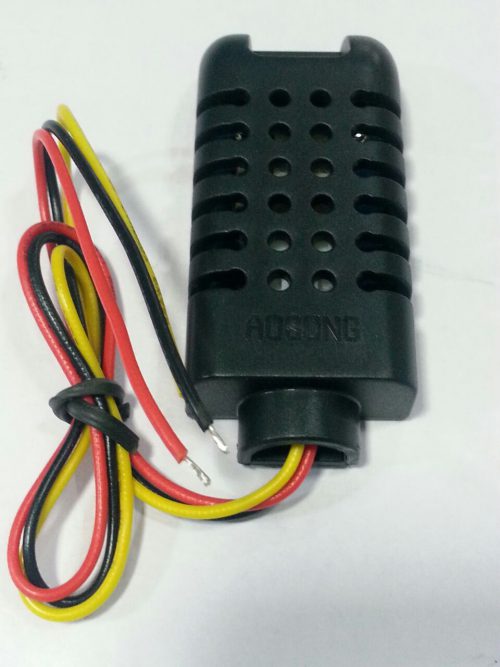 Description: Description: Description: Description: RHT02 output calibrated digital signal. It apply exclusive digital-signal-collecting-technique and humidity sensing technology, assuring its reliability and stability. Its sensing elements is connected with 8-bit single-chip computer. Every sensor of this model is temperature compensated and calibrated in accurate calibration chamber and the calibration-coefficient is saved in type of program in OTP memory, when the sensor is detecting, it will cite coefficient from memory. Small size & low consumption & long transmission distance(100m) enable RHT02 to be suited in all kinds of harsh application occasions.
 -
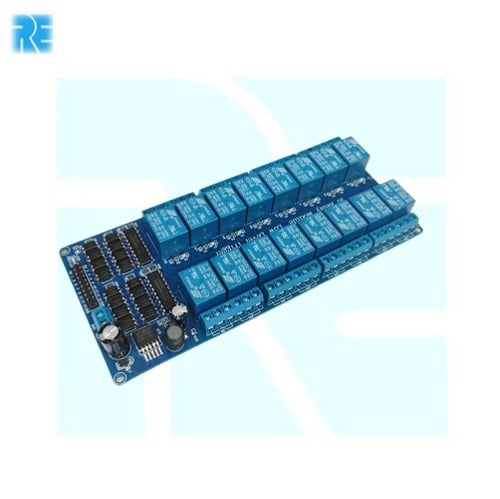
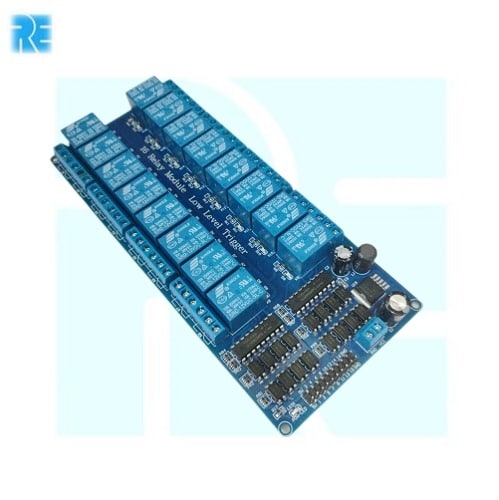 12V-16 Channel Relay Module with Light Coupling LM2596 Power Supply E-338 Feature:
- 12V 16-Channel Relay interface board, and each one needs 15-20mA Driver Current
- Equipped with high-current relay, AC250V 10A ; DC30V 10A
- Standard interface that can be controlled directly by microcontroller (Arduino , 8051, AVR, PIC, DSP, ARM, ARM, MSP430, TTL logic)
- Indication LED’s for Relay output status
-
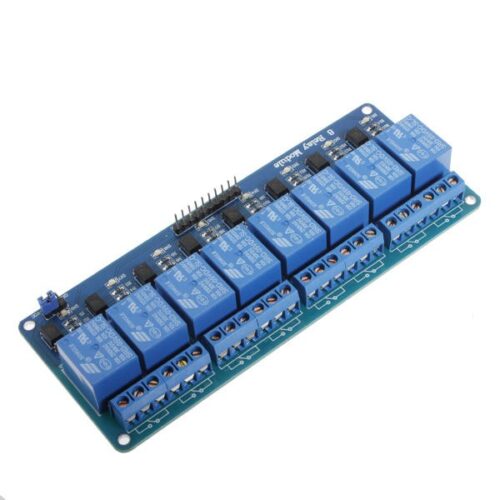 Specifications: Working voltage: 5V Channel: 8 channel Item size: 13.4x5.3x1.7cm / 5.28x2.09x0.67in Item weight: 116g / 4.11oz Package weight: 118g / 4.17oz
 -
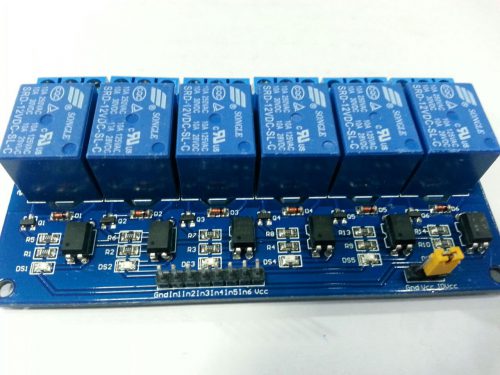 6-channel relay module optocoupler protection with low trigger6 channels relay output module, relay output contacts maximum 250A 10A. Input IN1, IN2, IN3, IN4, IN5, IN6 signal line is active low. VCC, GND power input can be individually powered relay power input JD-VCC. Module size: 10.30cm * 5.27cmUses: 1, support all MCU control. 2, industrial areas; 3, PLC control; 4, smart home control;
 -
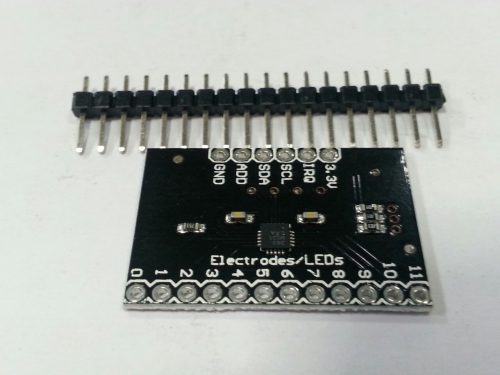 This is a breakout board for Freescale’s MPR121QR2. The MPR121 is a capacitive touch sensor controller driven by an I2C interface. The chip can control up to twelve individual electrodes, as well as a simulated thirteenth electrode. The MPR121 also features eight LED driving pins. When these pins are not configured as electrodes, they may be used to drive LEDs.
 -
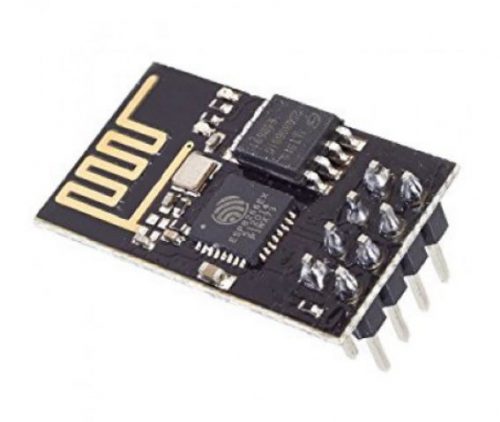 ESP8266 is a highly integrated chip designed for the needs of a new connected world. It offers a complete and self-contained Wi-Fi networking solution, allowing it to either host the application or to offload all Wi-Fi networking functions from another application processor. ESP8266 has powerful on-board processing and storage capabilities that allow it to be integrated with the sensors and other application specific devices through its GPIOs with minimal development up-front and minimal loading during run time. Its high degree of on-chip integration allows for minimal external circuitry, and the entire solution, including front-end module, is designed to occupy minimal PCB area.
 -
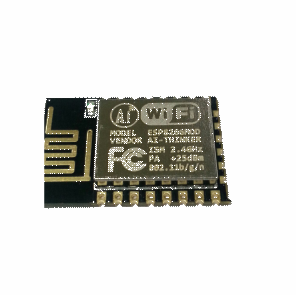 ESP-12E WiFi module is developed by Ai-thinker Team. core processor ESP8266 in smaller sizes of the module encapsulates Tensilica L106 integrates industry-leading ultra low power 32-bit MCU micro, with the 16-bit short mode, Clock speed support 80 MHz, 160 MHz, supports the RTOS, integrated Wi-Fi MAC/BB/RF/PA/LNA, on-board antenna. The module supports standard IEEE802.11 b/g/n agreement, complete TCP/IP protocol stack. Users can use the add modules to an existing device networking, or building a separate network controller. ESP8266 is high integration wireless SOCs, designed for space and power constrained mobile platform designers. It provides unsurpassed ability to embed Wi-Fi capabilities within other systems, or to function as a standalone application, with the lowest cost, and minimal space requirement.
 -

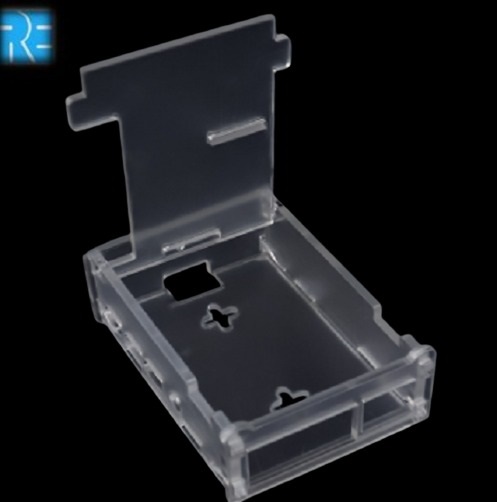 This is an elegant and innovative protective case designed specifically for the Raspberry Pi 2 Model B. Based on the best-selling SB Components' Model B case this two-piece injection-molded ABS enclosure incorporates snap-fit mounting points that hold the Pi securely in place. It provides tough protection for the Raspberry Pi Model B along with access to all the PI consumer ports as well as DSI, camera and GPIO connectors.

YOUR PARTNER IN TECHNOLOGY SOLUTIONS
YOUR PARTNER IN TECHNOLOGY SOLUTIONS

No.1030, Shriram Building,
Near Nagnath Par,
Sadashiv Peth, Pune – 411030,
Maharashtra, India
 Visit Our store
STORE TIMINGS
Monday to Saturday
10:00 AM to 7.30 PM
(Store closed on all Sundays and Public Holidays)
NOTE
*All the prices are excluding Tax rates & are subject to change after a specific period of time.
Copyright © 2024@AbhinavDCS
