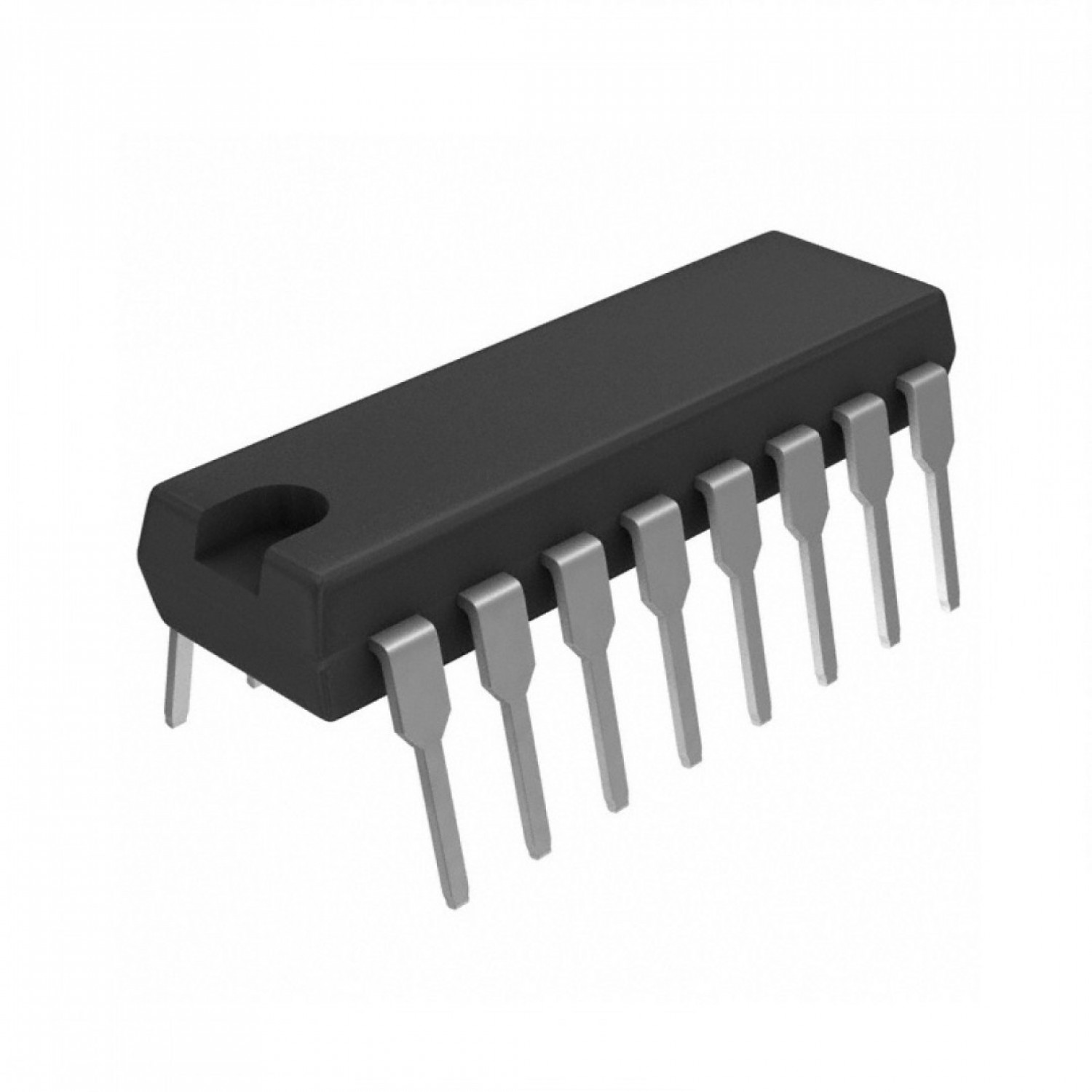
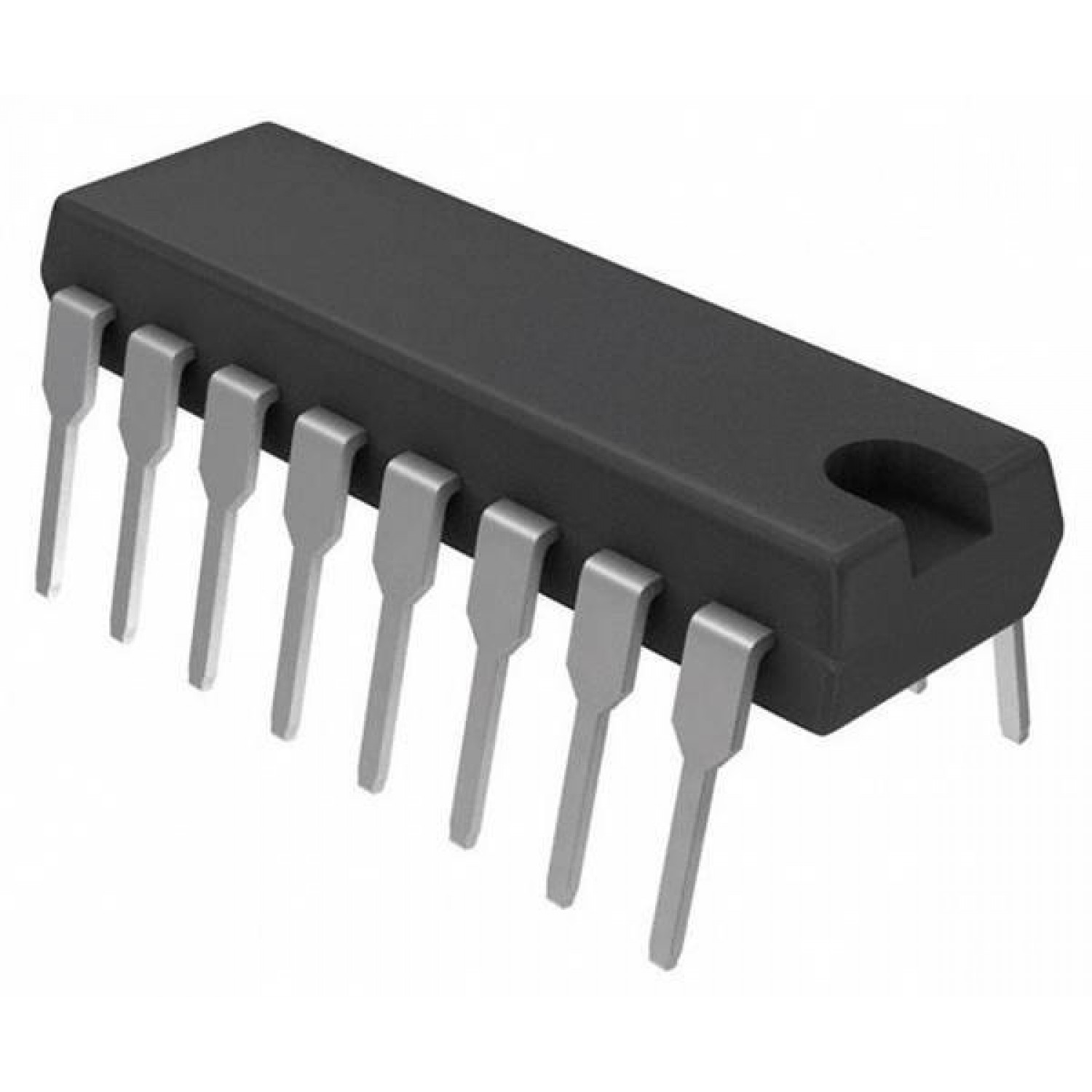
74LS112 DIP Dual J-K Negative Edge Triggered Flip-Flop with Clear and Preset IC (16-Pin TTL Logic IC)
The 74LS112 DIP Dual J-K Negative Edge Triggered Flip-Flop with Clear and Preset IC is a high-speed TTL sequential logic integrated circuit containing two independent J-K flip-flops in a 16-pin Dual Inline Package (DIP). Built using Low Power Schottky (LS) TTL technology, it offers high-speed switching, low power consumption, and reliable sequential logic performance.
Each flip-flop is negative edge triggered, updating its output on the falling edge of the clock signal. The device also includes independent asynchronous active-low preset and clear inputs, allowing the outputs to be set or reset instantly regardless of the clock or logic inputs. The 74LS112 is widely used in binary counters, shift registers, state machines, frequency dividers, embedded systems, and industrial automation.
Key Features -
• Dual independent J-K flip-flops
• Negative edge triggered clock operation
• Asynchronous active-low preset inputs
• Asynchronous active-low clear inputs
• High noise immunity and stable switching
• Low Power Schottky (LS) technology
• High-speed sequential logic performance
• 16-pin DIP package
• TTL compatible logic levels
• Suitable for counters and timing applications
Specifications -
• Product type - TTL Sequential Logic IC
• IC model - 74LS112
• Logic function - Dual J-K Negative Edge Triggered Flip-Flop
• Logic family - 74LS TTL
• Package type - DIP-16
• Supply voltage - 4.75V to 5.25V DC
• Trigger type - Negative Edge Triggered
• Preset type - Asynchronous Active-Low Preset
• Clear type - Asynchronous Active-Low Clear
• Propagation delay - 15ns (Typical)
• Maximum clock frequency - 30MHz
• High-level output current - -0.4mA
• Low-level output current - 8mA
• Mounting type - Through Hole (THT)
• Operating temperature - 0C to 70C
Applications -
• Binary counters
• Shift registers
• Frequency divider circuits
• Digital state machines
• Timing and sequencing circuits
• Embedded systems
• Industrial automation systems
• Control logic circuits
• Prototype PCB development
• DIY electronics projects