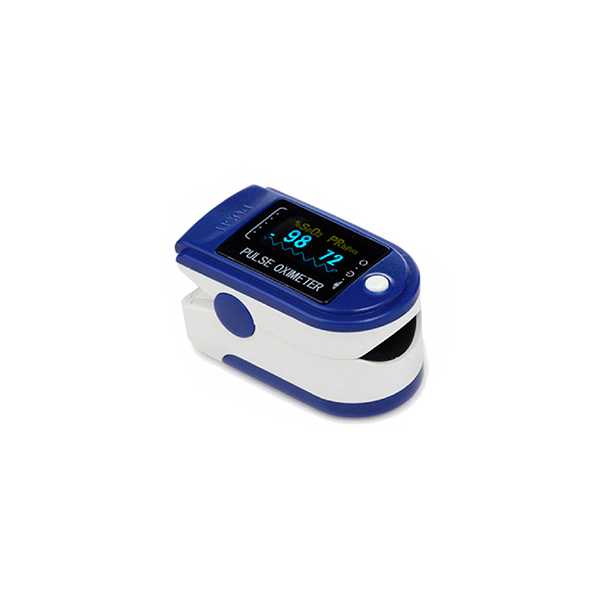
Pulse Oximeter Module (Blood Oxygen Saturation and Pulse Rate Sensor)
A pulse oximeter module is an electronic sensing device designed to measure blood oxygen saturation (SpO2) and pulse rate using optical sensing technology. It typically uses red and infrared light to detect changes in light absorption associated with pulsatile blood flow. Depending on the specific module, measurements can be processed internally or provided to a microcontroller for monitoring and display applications.
Key Features -
• Optical measurement of blood oxygen saturation (SpO2)
• Pulse rate measurement
• Uses red and infrared light sensing technology
• Suitable for integration with compatible electronic systems
• Supports real time physiological signal monitoring
• Module features and communication interface depend on the specific model
Specifications -
• Product Type: Pulse Oximeter Module
• Measurement Parameters: Blood oxygen saturation and pulse rate
• Sensing Method: Optical photoplethysmography
• Light Sources: Typically red and infrared LEDs
• Detector: Photodetector
• Communication Interface: Depends on the module variant
• Operating Voltage: Refer to the specific module datasheet
• Output Format: Depends on the module design
• Measurement Accuracy: Depends on the sensor, implementation, and operating conditions
Applications -
• Wearable electronics prototypes
• Physiological monitoring projects
• Microcontroller based measurement systems
• Biomedical electronics development
• Health monitoring device prototypes
• Educational electronics and sensor interfacing